Storm Damage Roof Restoration: What Jacksonville Homeowners Need to Know
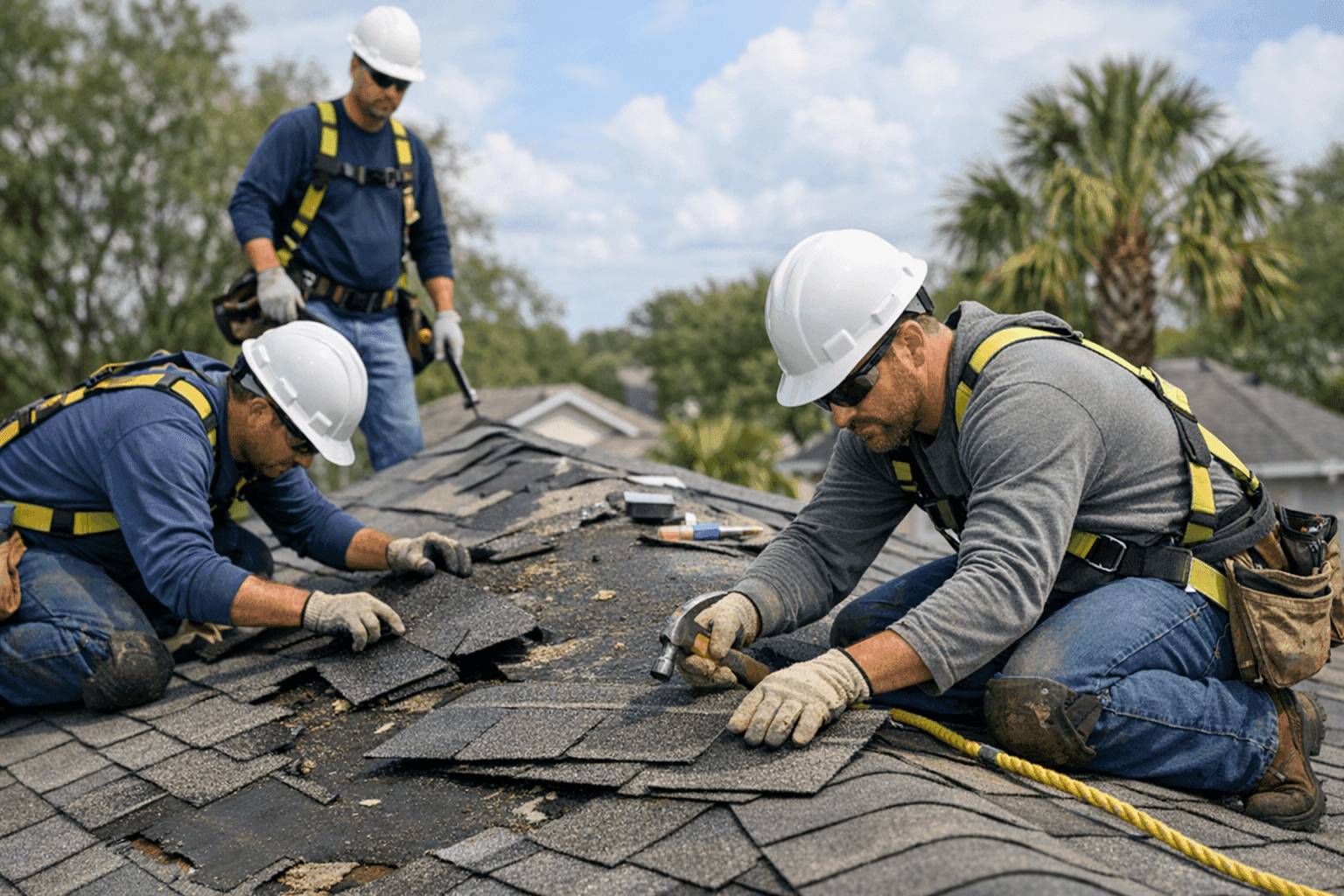
Jacksonville weather isn’t known for being forgiving. Storms roll in—sudden, fierce, and fast. Roofs take the brunt of it all: howling winds, driving rain, hail like handfuls of gravel. When the sky finally clears, many homeowners are left wondering, “What now?”
At Affordable Roofing, we’ve helped Jacksonville families through every kind of storm emergency. Here’s what you need to know about storm damage roof restoration, so you can act fast and keep your home (and family) safe.
Understanding Storm Damage in Jacksonville
Jacksonville sits right in the crosshairs of Florida’s wildest weather. Every year, our city feels the impact of:
- Hurricanes: High winds and flying debris can rip off shingles, tear away flashing, and even shift roof decking.
- Severe Thunderstorms: Summer brings sudden cloudbursts, lightning, and pounding rain.
- Hail: Hailstones pummel shingles, denting metal and breaking tiles.
Some roofs are more vulnerable than others. Asphalt shingles, especially if they’re aging or poorly installed, can curl, crack, or blow away. Flat roofs, common on modern homes, are prone to leaks if drainage backs up. Tile and metal roofs hold up better, but even they can be damaged at the seams or edges.
Jacksonville building codes (see Florida Building Code) have gotten tougher after past hurricanes. But not all homes meet the newest standards. If your roof is over 15 years old, pay special attention—older materials, fasteners, and flashings are more likely to fail.
Immediate Steps After the Storm 🌪️
Storm’s over. Your heart’s pounding, but you need to act quickly and stay safe.
- Stay Indoors Until It’s Safe: Downed power lines and broken glass are real dangers. Wait for the “all clear” from local authorities.
- Look for Obvious Hazards: Is there water pouring in? Sagging ceilings? If you see sparks, smell gas, or your roof looks unstable, evacuate and call 911.
- Temporary Protection: If you can safely reach an accessible area, cover holes with a tarp. Secure it with wood strips and nails—never climb onto a steep or slippery roof.
- Document Everything: Take photos from the ground. Snap shots of fallen branches, damaged shingles, and interior leaks.
- Avoid DIY Repairs: Never use ladders around power lines or walk on a wet roof. Leave risky work to professionals.
The Roof Restoration Process
Restoring your roof after a storm is a step-by-step journey. Rushing can make things worse—think of it like triage for your home.
1. Professional Inspection and Assessment
A thorough inspection is the cornerstone. At Affordable Roofing, we start with a walk-around, checking for:
- Missing or damaged shingles
- Exposed underlayment or decking
- Bent or missing flashing (especially around chimneys and valleys)
- Gutters clogged with debris or torn loose
- Water stains on ceilings or walls
We use ladders, drones, and moisture meters—tools that help us see what’s hidden. If there’s structural damage, we’ll advise you on the safest next steps.
2. Documentation for Insurance Claims
Insurance adjusters want proof. Here’s how you can help your case:
- Take clear, timestamped photos before cleanup starts.
- Make a list of damaged property, including roofing, gutters, skylights, and inside areas.
- Save all repair receipts and correspondence.
Affordable Roofing provides detailed inspection reports that you can submit with your claim. (We’re not insurance agents, but we know what they need.)
3. Working With Local Roofing Professionals
Jacksonville’s climate demands local experience. Out-of-town “storm chasers” may not be familiar with Florida codes—or may vanish before the job’s done. Stick with licensed, insured roofers who know the area. We work in compliance with the Florida Building Code and OSHA safety standards.
Preventing Future Storm Damage 🛡️
A patched roof is only a temporary fix if you don’t address the underlying problems. Here’s how to build resilience for next time:
- Upgrade Materials: Impact-rated shingles, metal roofing, and hurricane straps offer better protection.
- Reinforce Flashing and Seals: Weak spots let water sneak in. We install high-quality flashing at all critical joints.
- Maintain Gutters and Downspouts: Clogged or broken gutters cause water to back up under shingles. Regular cleaning helps prevent rot and leaks.
- Schedule Regular Inspections: Annual or post-storm checkups catch small issues before they become big headaches.
Small investments in maintenance today can save you thousands in the next big storm.
Costs & Time Factors
How long will it take? What will it cost? The answer depends on the extent of the damage, roof size, and chosen materials.
- Minor Repairs: A few missing shingles or a small leak might be patched in a day.
- Moderate Damage: Structural repairs, replacing entire sections, or installing new flashing can take several days.
- Full Replacement: Tearing off and replacing the entire roof may take up to a week, depending on weather and material availability.
Costs range widely. Insurance may cover storm-related repairs—review your policy and document everything. Be wary of any roofer offering prices that seem too good to be true.
When It’s an Emergency
Certain situations can’t wait:
- Water pouring through the ceiling
- Large sections of missing roof
- Structural sagging or collapse
- Exposed electrical wiring
If you’re facing a true roofing emergency, get to safety and call for help immediately. Our emergency roofing services are available for Jacksonville homeowners in urgent need.
FAQ: Jacksonville Storm Damage Roof Restoration
How do I know if my roof has hidden damage?
Look for water stains inside, cracked or curling shingles outside, or granules in gutters. A professional inspection is best.
Can I wait until the next storm season to repair my roof?
Small damage grows quickly. Delaying repairs can void insurance coverage or lead to bigger structural issues.
What roof types stand up best to Jacksonville storms?
Metal roofing and impact-resistant shingles perform best, but proper installation and regular maintenance matter just as much.
Does my insurance cover storm damage repairs?
Most policies cover sudden, accidental storm damage. Review your policy and document all damage as soon as it’s safe.
Local & Seasonal Considerations 🌧️
Jacksonville’s storm season peaks from June through November. Summer brings daily downpours and lightning; late summer to fall is hurricane time. After storms, demand for roof repair in Jacksonville, FL spikes—don’t wait to get on a professional’s schedule.
If you have an older roof, now’s the time to schedule an inspection before the next big blow. Affordable Roofing has responded to countless emergencies in our community. We know what local homes need to stand strong.
Related Services
When storms hit, Affordable Roofing is your neighbor on the block. Learn more about our full storm damage restoration and emergency roofing services designed for Jacksonville homeowners.
Worried about your roof after a storm? Don’t wait—Call Affordable Roofing now — or reach us anytime at (904) 593-4209 .